
Toronto basements leak after heavy rain because saturated soil builds hydrostatic pressure against the foundation, forcing water through cracks, porous concrete, cove joints, or failed weeping tile. Poor grading, clogged gutters, and aging drainage make it worse. Basement waterproofing Toronto services fix this permanently by sealing the foundation and giving water a proper way to drain away from the house.
If your basement stays dry for months and then floods the moment it rains hard, you're not imagining it, and it's not bad luck either. Toronto sits on clay-heavy soil with a naturally high water table, so heavy rain has an outsized effect on older foundations. This guide breaks down exactly why it happens, how to tell the causes apart, and what actually fixes it for good.
Why Does Rain Cause Basement Leaks in the First Place?
Rain itself isn't really the problem; it's how the ground around your foundation reacts to it. When soil around your home becomes saturated:
Hydrostatic pressure builds up against the basement walls and floor, pushing water toward any weak spot.
Concrete is porous, so even without a visible crack, water can slowly work its way through under enough pressure.
Toronto's clay soil holds water instead of draining it away, so the pressure stays high longer after a storm than it would with sandier soil.
Put simply: a foundation that's fine on a dry day can still let water in once the soil around it is fully saturated.
What Are the Most Common Causes of Basement Leaks After Heavy Rain?
Foundation cracks: Water enters through cracks in poured concrete or gaps at mortar joints in block foundations.
Cove joint seepage: Water pushes in where the basement floor meets the foundation wall, often the first place homeowners notice a leak.
Poor grading and drainage: If the ground slopes toward the house instead of away from it, rain collects right where you don't want it.
Overflowing gutters and short downspouts: Water dumped too close to the foundation soaks straight into the soil around the walls.
Clogged window wells: Debris blocks drainage and lets rainwater pool against basement windows.
Foundation seepage and lateral pressure: Ongoing pressure from wet soil against the walls, especially in older homes.
Porous concrete: Aging concrete absorbs moisture over time, letting water pass through even without a crack.
Which Cracks Should You Actually Worry About?
Not every crack means the same thing:
Vertical or diagonal cracks are usually shrinkage cracks from the concrete settling over time. They're common, especially in older homes, and are typically the least serious to repair.
Horizontal cracks are a different story. These usually point to lateral soil pressure pushing against the wall and can be a structural warning sign rather than a simple leak. These should always be professionally assessed rather than patched and ignored.
What Damage Can a Leaking Basement Cause If Left Alone?
A leak that seems minor after one storm can cause real damage the longer it's ignored:
Mould and mildew thrive in moist basements and can trigger respiratory issues and allergies for people in the home.
Rusting – constant moisture corrodes metal fixtures, pipes, and appliances, weakening them over time.
Rotting and wet wood – wood exposed to sustained moisture develops decay spores that spread and compromise structural framing.
Widening wall cracks – water softens the soil around the foundation, and repeated movement can turn a hairline crack into a much bigger structural issue.
How Do You Actually Fix a Leaking Basement Long-Term?
A proper repair follows a clear process rather than guessing at the source:
Identify the exact source of the leak: a crack, a cove joint, a window well, or a drainage failure.
Insulate and inspect basement walls and pipes for related moisture issues.
Check for and seal foundation cracks using proper sealants or crack injection.
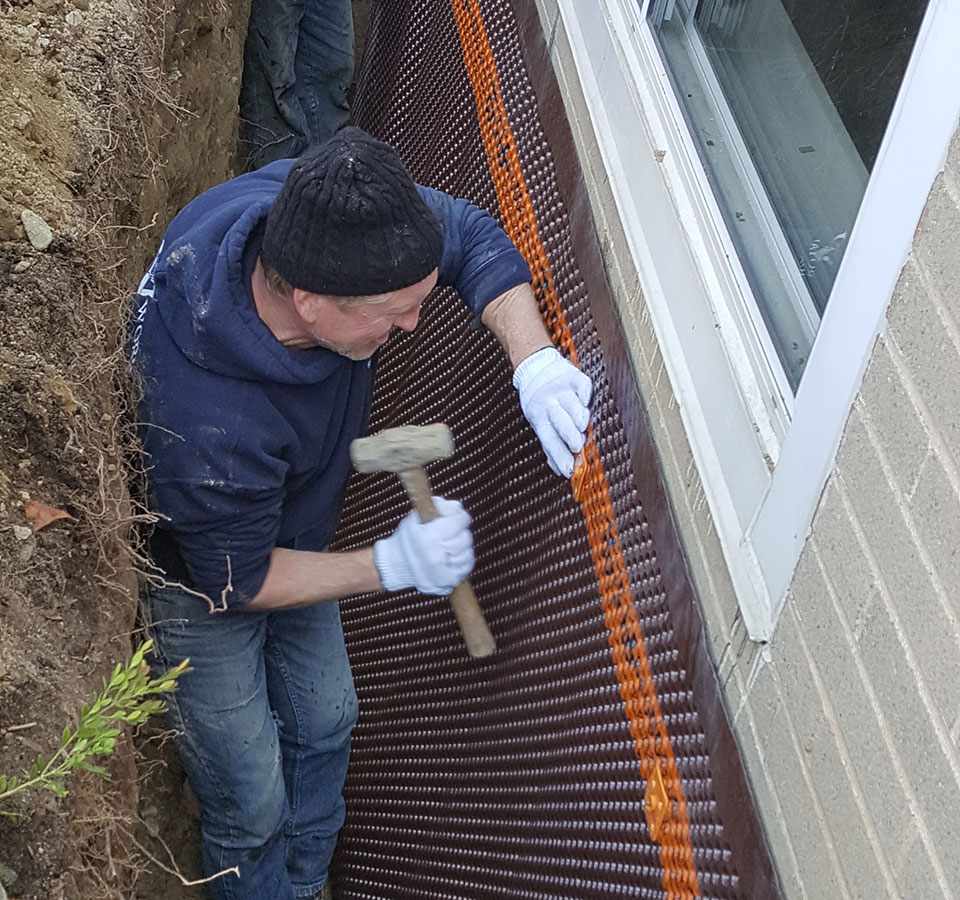
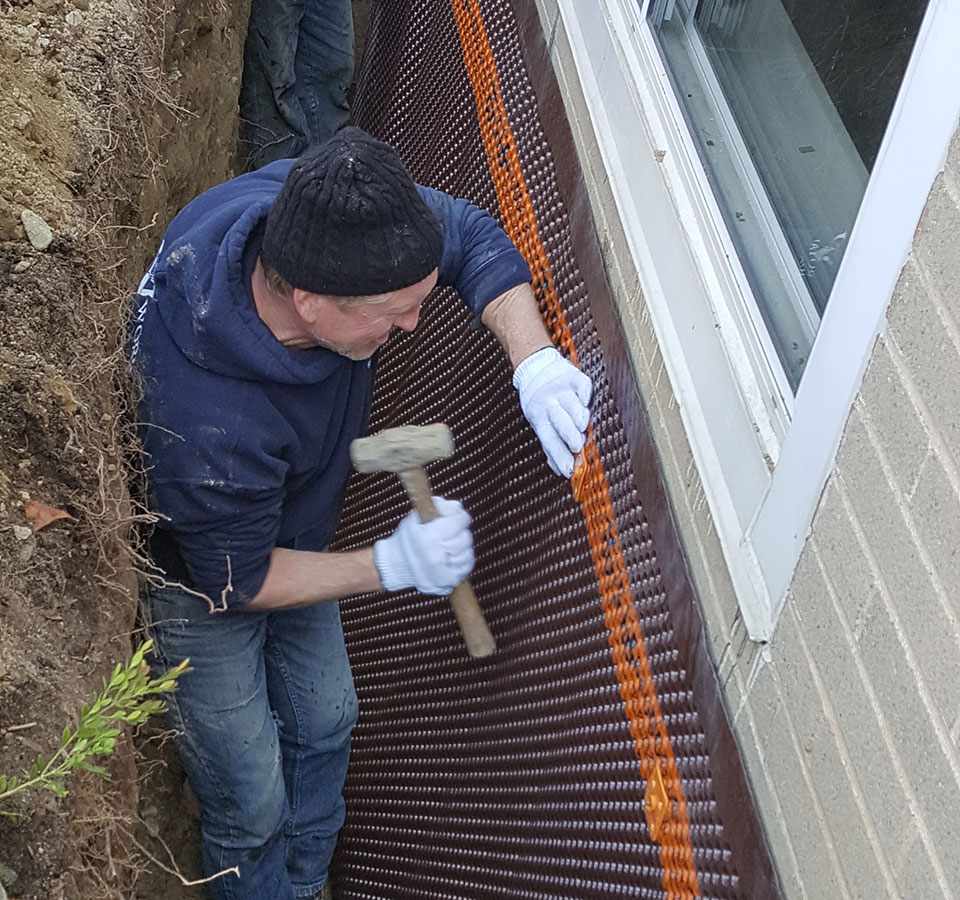
Waterproof the basement walls with a membrane suited to the source of the leak.
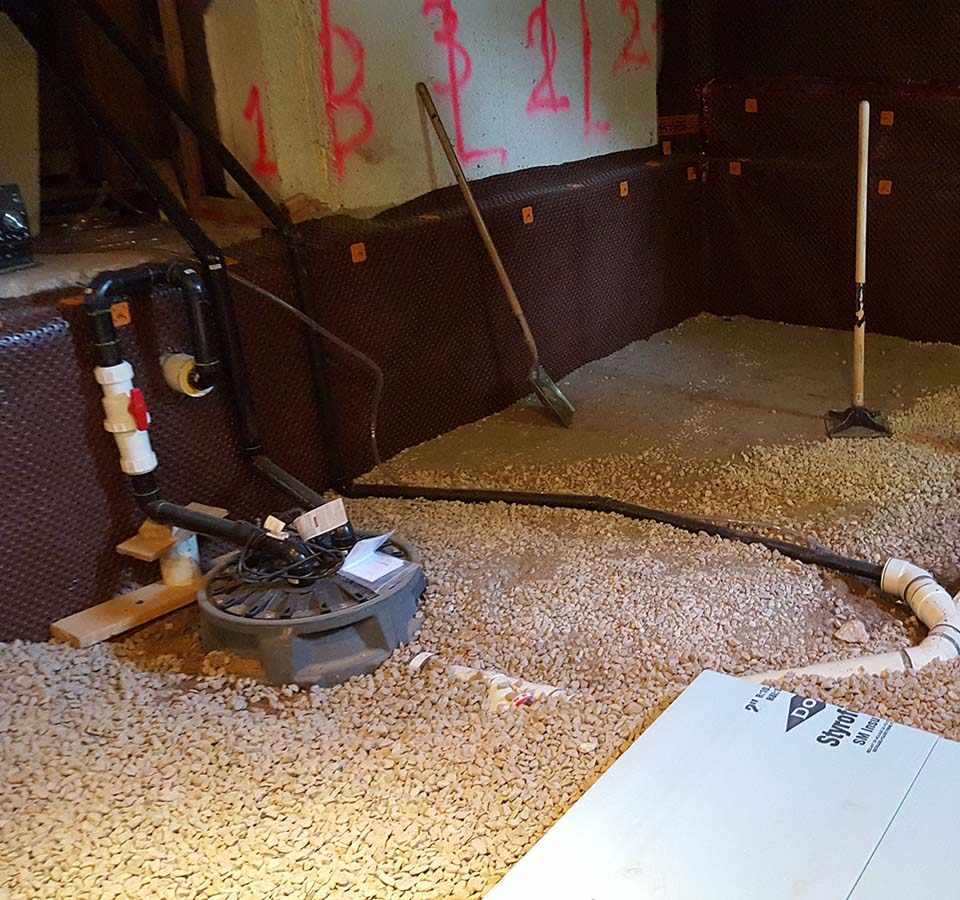
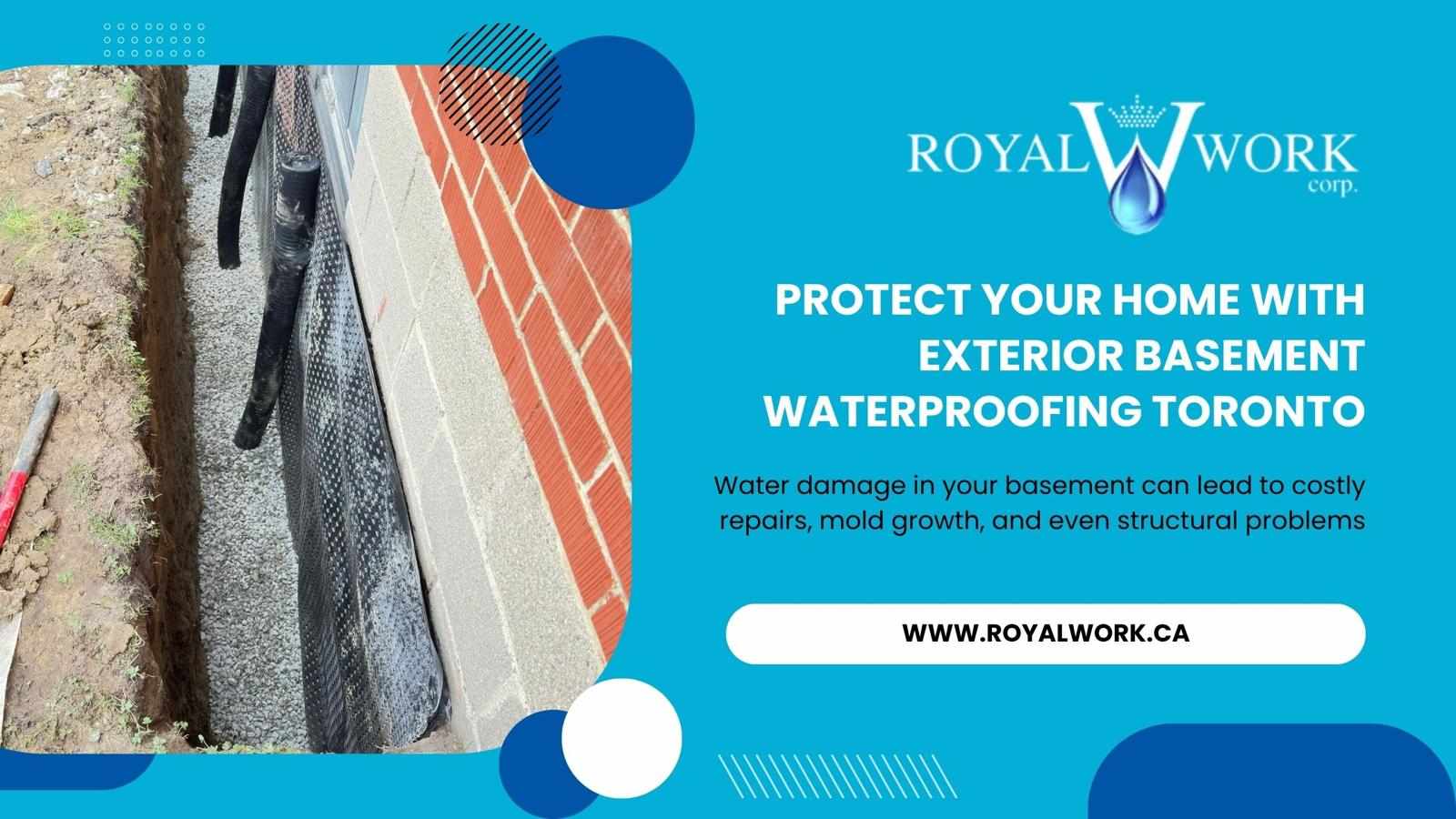
Install or repair a drainage system, so water has somewhere to go instead of building up against the wall.
Install a sump pump to actively remove water that reaches the drainage system.
Extend downspouts and gutters so rainwater is directed well away from the foundation.
Final Thoughts
A basement that leaks after heavy rain isn't a mystery; it's almost always hydrostatic pressure finding the weakest point in your foundation, whether that's a crack, a cove joint, or a drainage system that's stopped doing its job. Patching the symptom might get you through one storm, but the water pressure behind it doesn't go away on its own.
If your basement has been leaking after rain, a professional inspection can pinpoint the actual source and get it fixed for good.












Write a comment ...